What would Pokémon bones look like? Gwangju’s upcoming Fossil Museum
Public admission at Gwangju National Science Museum begins December 19. Pokémon illustrations and overseas exhibition photos introduce imaginary skeletons alongside real prehistoric animals.
What would a Pokémon skeleton look like? Pokémon Fossil Museum places imagined Pokémon skeletons beside real prehistoric specimens. Its first Korean exhibition is scheduled to open December 19, 2026, in Gwangju National Science Museum’s Special Exhibition Hall. Pokémon fans and dinosaur enthusiasts can explore it together.
A way in for Pokémon fans and fossil beginners
Co-developed by Japan’s National Museum of Nature and Science and Pokémon, the exhibition comes to Korea after its Japanese tour and Chicago presentation. Pokémon shapes offer a starting point for finding similarities and differences in real prehistoric animals. This preview uses photographs from the earlier Japanese and American exhibitions.
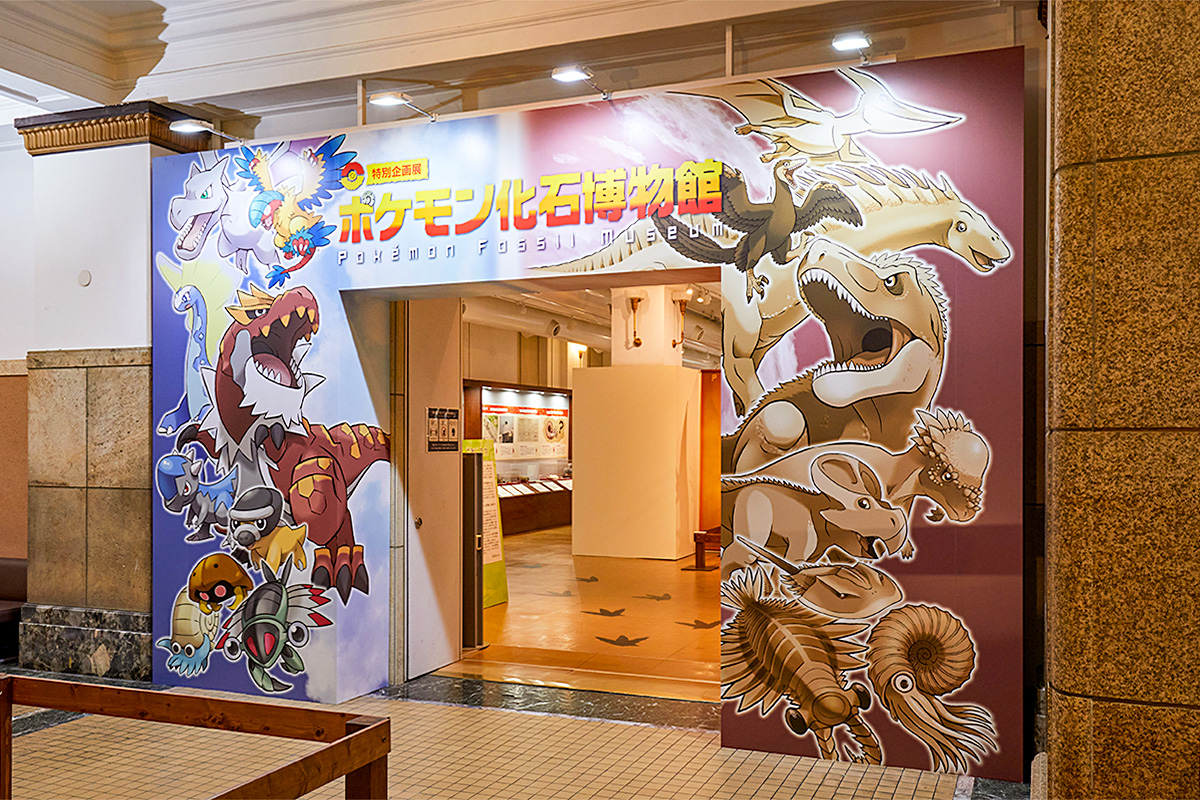 포켓몬 / 일본국립과학박물관
The point is to compare imaginary skeletons with real specimens, rather than treat Pokémon models as genuine fossils. Life-size skeleton models based on the characters invite you to look at proportions and joints. Which parts resemble real animal anatomy, and where does imagination take over?
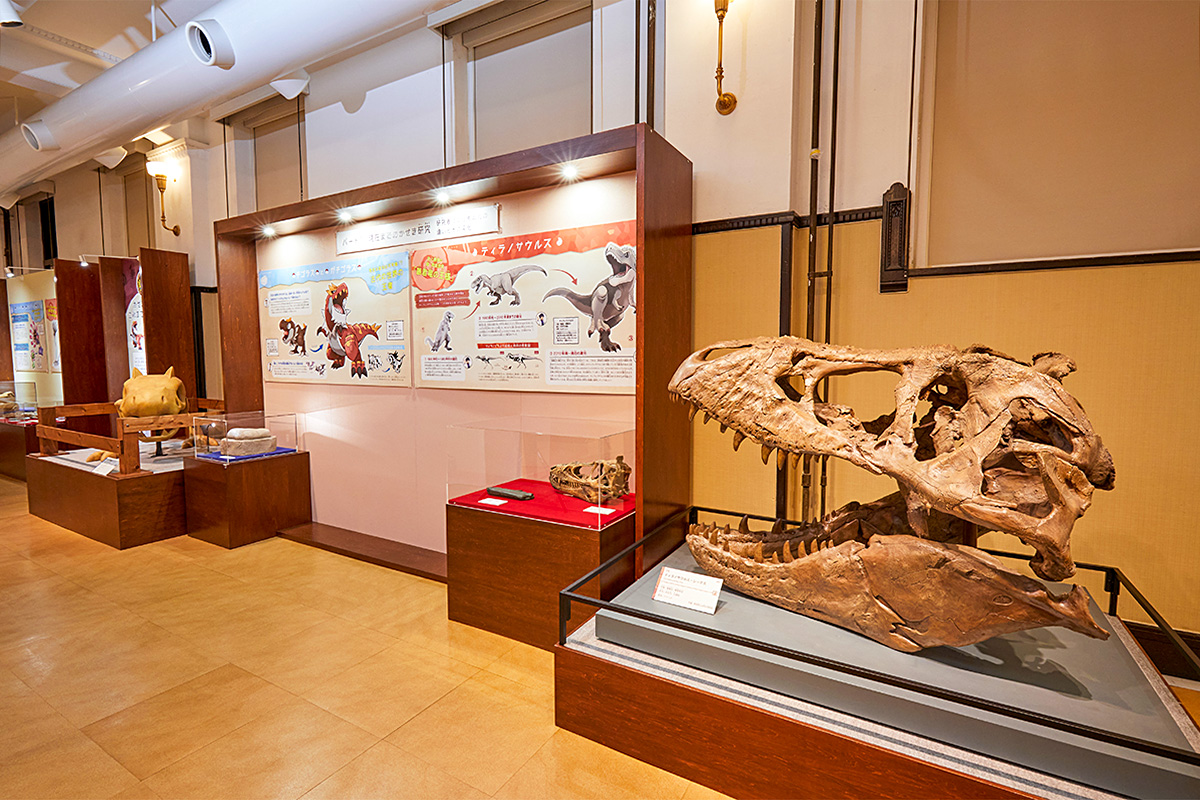 포켓몬 / 일본국립과학박물관
For the Korean exhibition, the museum has introduced pairings of the Cretaceous carnivore Tarbosaurus with Tyrantrum, and ammonite fossils with Omanyte. There is no need to memorize Pokémon names first. Find a familiar shape, then see how it changes in the specimen beside it.
Begin with a coiled shell
With children, start with an obvious shape instead of a complicated explanation. Compare Omanyte’s coiled shell with an ammonite, or the head and leg proportions of Tyrantrum with a dinosaur skeleton. Spot one difference, then read that part’s name or explanation on the label. An unfamiliar animal becomes easier to remember when linked to a visible detail.
The Omanyte model and ammonite specimen paired with the illustration are from the Field Museum exhibition in Chicago. Pokédex fans can start with character traits; dinosaur and fossil fans can start with the real specimen. Sharing what each of you notices first gives visitors with different interests something to enjoy together.
What the overseas photos can show you
The lead and comparison images combine Pokémon illustrations with Chicago exhibition photographs. The Field Museum used its own collections, including a cast of SUE the Tyrannosaurus rex alongside Tyrantrum. For what will appear in Korea, follow Gwangju National Science Museum’s own exhibition announcements and labels.
Look at Rampardos’s official illustration, then find the rounded head outline, snout, and leg proportions in the imagined skeleton model. The comparison shows how a character’s exterior becomes a fictional framework. With Omanyte, move from illustration to exhibition model and then to the real ammonite to spot shared shapes.
Before focusing on overseas merchandise or game events, look at the exhibition’s comparisons. Slow down at a character paired with a real specimen rather than just passing a model. Choosing one Pokémon or prehistoric animal you are curious about makes a good starting point.
Public opening December 19; reservations planned for early December
According to the museum’s special exhibition notice, the show runs December 19, 2026–August 31, 2027. December 18 is the opening ceremony and media day; public visits start the following day. Advance reservations are planned for early December, with details and ticketing announcements to follow through official social channels and the website.
Check admission fees and special exhibition hours once the detailed notice is released. These may differ from the museum’s other exhibitions, so make sure the booking is specifically for Pokémon Fossil Museum.
Exhibition photos come from heyPOP’s Japanese and American tour feature and Joshua Mellin’s Chicago photographs. Character artwork, including Pikachu·암나이트·램펄드, comes from Pokémon Korea’s official Pokédex and has been combined into collages. The Omanyte model and ammonite specimen photos were provided by the Field Museum. Requests to correct or change image attribution will be reviewed and addressed.
- Place and address: Special Exhibition Hall, Gwangju National Science Museum, 235 Cheomdangwagi-ro, Buk-gu
- Public dates: December 19, 2026–August 31, 2027
- Advance reservations: Planned for early December; updates on the official exhibition page
- Admission and hours: Special exhibition details to be announced
- Contact: Museum Exhibition Planning Office, 062-960-6122
Come for a favorite Pokémon and try to discover a new shape in a real fossil. With a companion, choose the pair that looks most alike and the pair that differs more than expected. Familiar characters can give unfamiliar prehistoric animals a little more of your attention.
Sources
- Photography
- Pokémon / Joshua Mellin · Daily Korea 편집 · 포켓몬 / 일본국립과학박물관 · Pokémon / Field Museum · Daily Korea 편집 · NAVER
Related stories

Latest stories


The editor
Daily Korea Editorial
Korea through fashion, places, food and everyday culture.
More from this editor
Recommended stories


Popular stories
Popular in Culture & Lifestyle now
New stories to explore while readership grows.