Useful Korean Souvenirs to Look For at Seoul’s Old Railway Station
Today’s Tradition Festival at Culture Station Seoul 284 brings craft, small sweets and workshops into the old railway station. Choose what you’ll use, share or make yourself.
If you’ve brought home a souvenir and left it in the box, picture how you’d use it before choosing another. Today’s Tradition Festival runs Nov. 12–15 at Culture Station Seoul 284, the old Seoul railway station. The building brings together a market for goods inspired by Korean traditions, media art, performances and workshops. A few minutes with the maker can give you something to remember beyond the object itself.
The 2025 Today’s Tradition Festival in Seongsu.
Ask how you’d use it at home
The festival overview includes everyday clothes with hanbok silhouettes, practical crafts and traditional desserts for gifting. Think where you’d keep a bowl, textile or paper object at home. Something that looks good in your hand may not be something you reach for daily. Ask about size and cleaning for a bowl, or washing and storage for a textile.
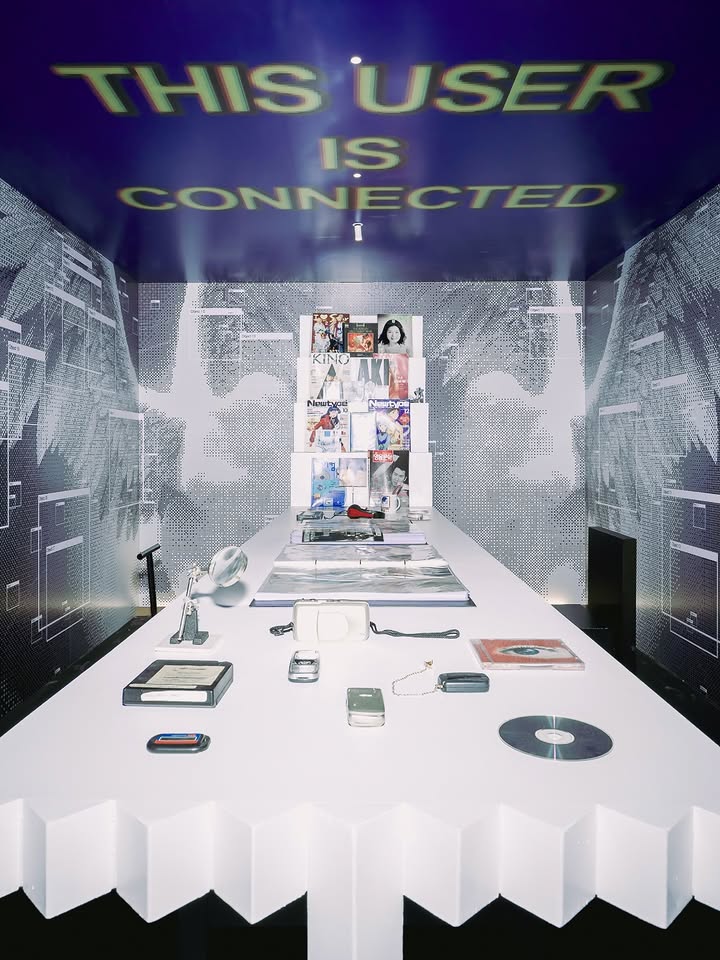
An exhibition scene in coverage of the 2025 festival.
To explain Korean craft to a visitor, start with one detail you noticed. Perhaps you liked holding a cup without a handle, or how light passed through layers of paper. A maker’s advice on materials and care can help the object find a place in your routine.
Hanji House is a separate stop for visitors interested in Korean paper.
For something to share, look at the sweets
A craft object can last a long time, but a small box of traditional sweets may suit a full suitcase. Think who you’ll share them with, when you’ll eat them and how far you’ll travel the next day. Check the storage temperature and use-by date. Read the ingredients for anyone avoiding nuts, wheat or another ingredient.
The central hall of Culture Station Seoul 284.
If you have time for more than shopping, see an exhibition or workshop first. Look at how the festival’s theme of making good fortune shapes an object, then decide whether it has a use at home. Workshops and performances run separately from the market. Check the official event page for participation terms.
The ceiling of the central hall at Culture Station Seoul 284.
This year’s second-floor workshop area includes making a bag charm or key ring with traditional motifs associated with good fortune. The festival program gives you a way to make something you can use at home. For more about Korean paper, a separate hanji book exhibition runs through Nov. 30 at Kyobo Book Centre in Gwanghwamun.
Change the order to suit the people you’re going with
With a child, pick the workshop time first and look at objects they can touch or learn to make. With someone who likes craft, find two objects made with the same material in different ways. A folded piece of paper feels different from layers built up to make a rigid form. Ask the maker which step takes the most work.
A ticket window from the former Seoul Station.
Even without plans to buy anything, you can see what draws you in. Do you remember the packaging or the object itself? Would you reach for something that keeps an older shape, or something adapted to your own table or desk? You can come away with a clearer sense of what would last in your home.
The former small dining room at Culture Station Seoul 284.
A museum object and a market object invite different questions
In a museum you might start with a vessel’s age and original use. At the market, imagine how a similar material fits a table or workbench today. For a closer look at hanji, consider Hanji House and the KCDF Gallery on a separate day. Both give you more time to see the materials that caught your eye.
The western corridor at Culture Station Seoul 284.
Last year’s festival at S Factory in Seongsu included tea gatherings and hanbok rentals. This year, a key ring you make at the station offers another way to take something into daily life. The venue changes, but participating is still part of the festival.
The 2026 Today’s Tradition Festival poster.
Look at the station as you walk between its first and second floors. A building that once moved people and goods now gives visitors space to choose crafts and wait for a performance. Remember what you see when you enter and when you turn back before leaving. It puts a place behind the phrase “I bought it in Seoul.”
Culture Station Seoul 284’s video tour shows the central hall and former waiting rooms. It’s about the building itself, rather than this year’s festival.
Culture Station Seoul 284 on Naver Map
- Venue: First and second floors, Culture Station Seoul 284, 1 Tongil-ro, Jung-gu, Seoul.
- Dates: Nov. 12–15.
- Hours: 10:00–18:00. Last admission at 17:30.
- Admission: Free. Purchases and individual programs have separate terms.
If you like several things, choose the one you’ll reach for next week. A souvenir may bring the trip back most clearly the first time you use it at home.
Sources
- Photography
- 정수림 · 국민일보 · 한국공예 · 디자인문화진흥원
- Sources
- 문화역서울284 · 한국공예·디자인문화진흥원
Related stories
Latest stories
The editor
Daily Korea Editorial
Korea through fashion, places, food and everyday culture.
More from this editor
Recommended stories