Three Solo Firsts Behind ‘Always Lalisa’
A first solo album, a solo set at Coachella and a first acting role. Director Sue Kim follows the year in which LISA had to make those decisions.
 Sony Music Vision
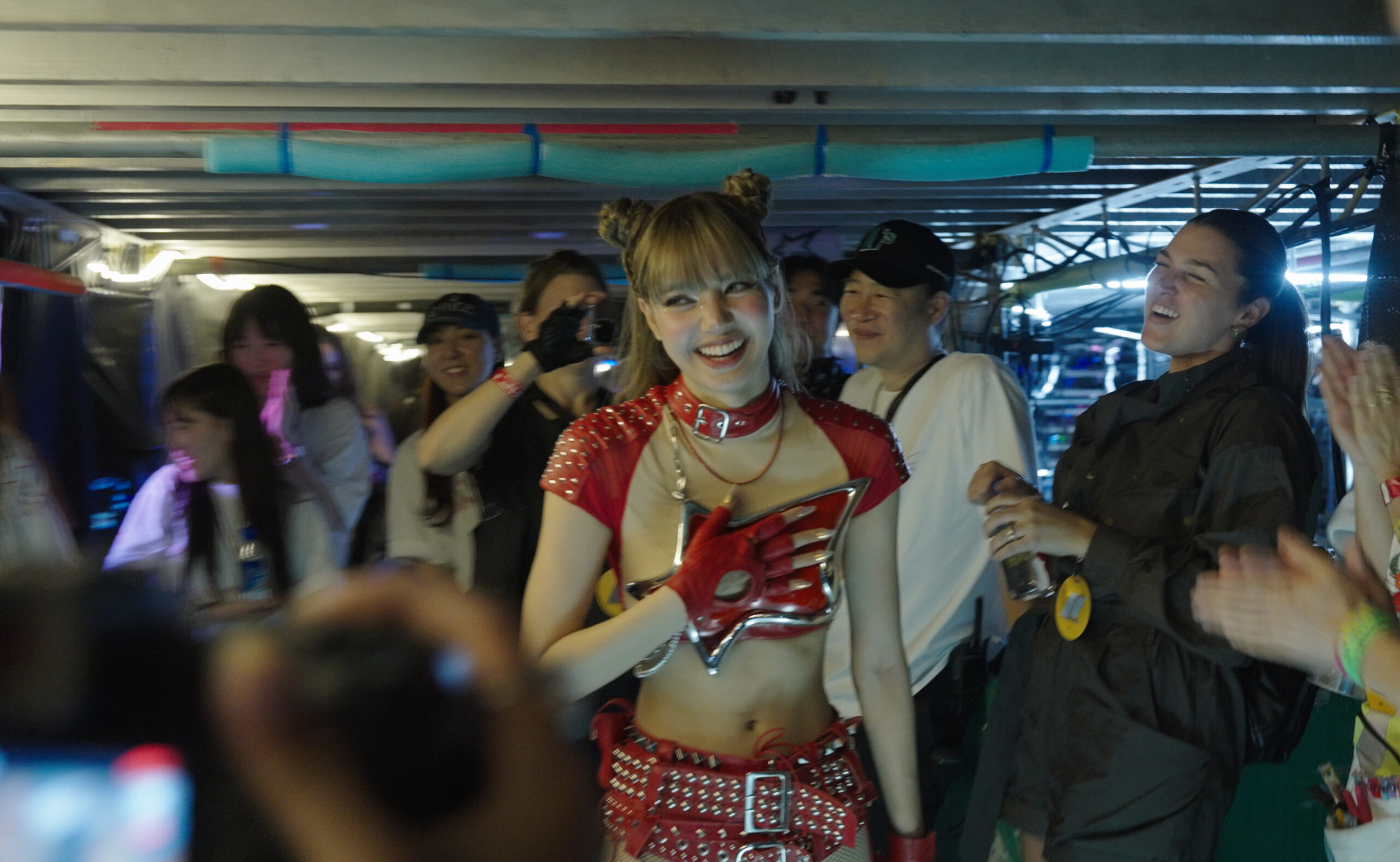
LISA’s solo Coachella set and her first acting role came from decisions she made in the same year. Sue Kim’s documentary Always Lalisa follows the period when LISA worked as a solo artist and actor before rejoining BLACKPINK. The film arrived on YouTube Premium on November 18. Watch for the different skills she has to rely on in the studio, onstage and on set. 〈Always Lalisa〉
 Sony Music Vision · YouTube
Putting her name on a first solo album
In YouTube’s introduction to the film, Alter Ego, LISA’s first full-length solo album, anchors the period Sue Kim follows. It overlaps with the launch of her company LLOUD and the start of her solo work. Pay attention to who comes into view as she records and releases the album. One person may be in front of the camera, but recording, management and live performance take many people. Her decisions shape how that team works together. Introduction to Works on YouTube
 Sony Music Vision
Taking charge of her own Coachella set
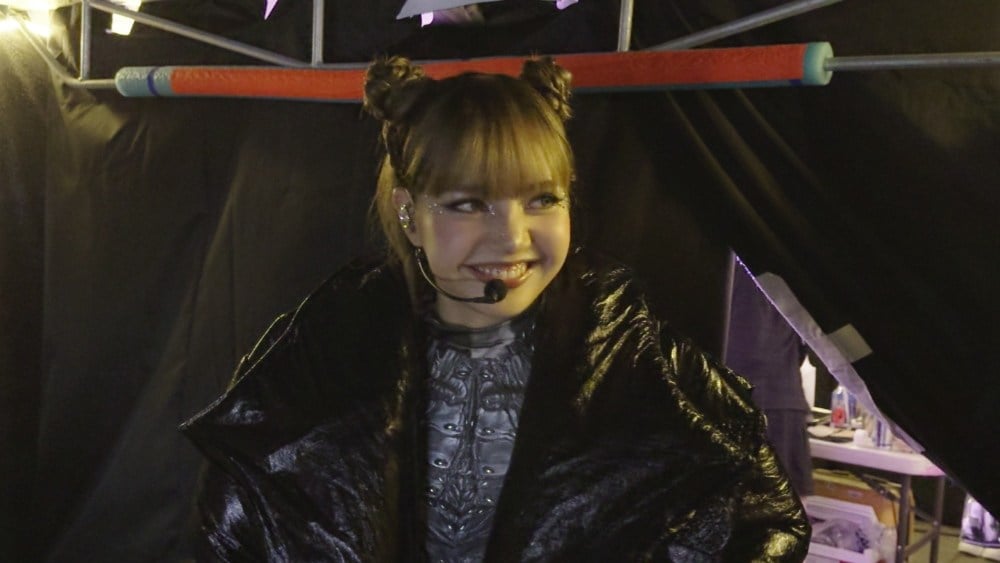
Lisa, who performed at Coachella as part of BLACKPINK, will return as a solo artist this time. The decision to choose which songs to perform and how to transition between them at a festival is different from when she was in a group. When watching a documentary, pay attention to the people who are preparing to perform alongside the song when a live performance scene appears. There are many things that are not immediately apparent just from hearing that the performance was successful, and these often occur in the moments before and after the stage.
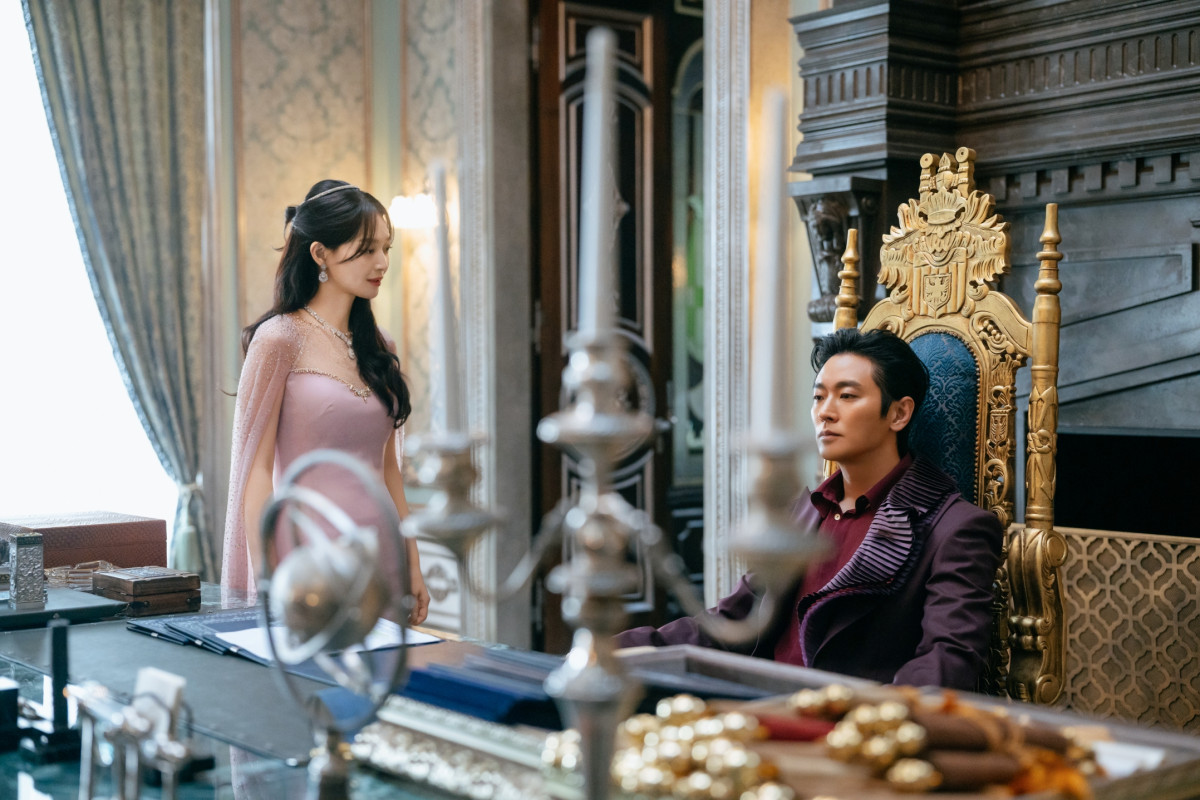
Listening to a scene partner in ‘The White Lotus’
Her debut acting role was in 〈The White Lotus〉. When watching LISA on stage, the audience directly follows her movements and voice. Actors in the drama are referred to by their character names, and they need to establish a relationship with their co-actors within the scene. Another interesting aspect for viewers is to see how experienced stage performers prepare scenes with dialogue, and what new skills they need to acquire when taking on their first role. A camera that captures the transition between these activities allows viewers to see the entire story in one year.
If you want to see these three scenes based on a single person's choices, it might be better to divide them based on the nature of the work rather than the order of presentation. In the music context, select the song you want to release, and in the performance context, find a way to convey the song in a large space. For the acting scene, it starts with responding to the cues given by the other actors. By looking at the trailer, you can see other people approaching LISA and moving together, which will help you understand why this documentary doesn't just show one stage.
The year Sue Kim captured
Director Sue Kim also participated in the production, alongside Courtney Crockett. The production companies involved are Sony Music Vision, RCA Records, Tremolo Productions, Salt Water Productions, and LLOUD CO. The song "Leave With Me" by LISA, which was created specifically for the documentary, will also be released on November 18. Viewers can choose to watch the film first and then listen to the song, or listen to the song first and then watch the film to see which era of LISA it represents.
Out of the three activities, which scene do you remember most vividly? If you choose one scene from the performance, recording, or acting, and then trace the decisions LISA made before that, it reveals a different perspective on her career.
Sources
- Photography
- Sony Music Vision · Sony Music Vision · YouTube · Fabio Lovino / HBO
- Sources
Related stories


Latest stories

The editor
Daily Korea Editorial
Korea through fashion, places, food and everyday culture.
More from this editor
Recommended stories