Your first hanbok: the small details that change the whole look
Learn the garment names, ask better rental questions and make a palace outfit comfortable enough to enjoy.
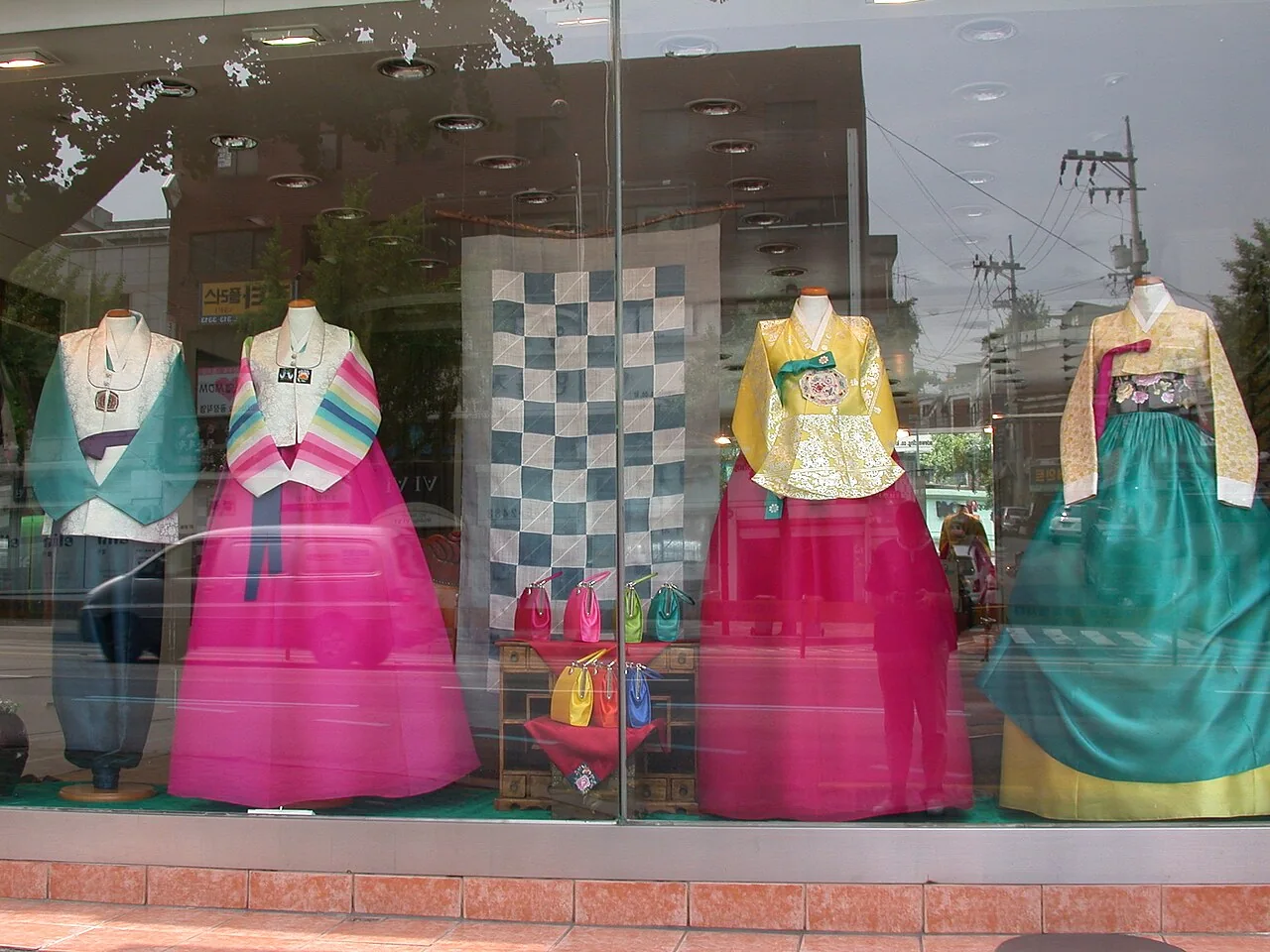
A hanbok rental can be the moment a palace visit turns into a fashion story. The fabric moves differently, the proportions change your posture, and a small accessory can give the outfit its own personality. Before choosing the brightest rack, learn three useful words.
Three names worth saving
The National Folk Museum of Korea describes jeogori as the upper garment. Chima is a skirt, while baji means trousers. Its hanbok encyclopedia entry explains traditional combinations and their history. These descriptions are a starting point; a rental shop may offer contemporary styling alongside historically inspired pieces.
Ask what the outfit includes. An outer layer, hair accessory, bag or underskirt can change both the silhouette and the final bill. There is no need to treat every decorative piece on a rental rack as a costume from a specific royal period.
Choose for a walk, not just a mirror
Try taking a few ordinary steps before you leave the fitting area. Can you manage stairs, sit down comfortably and keep the hem off the ground? Ask staff to show you the fastening rather than guessing how a tie should work. Wear shoes that let you enjoy the visit; elegance and a long afternoon of walking can coexist.
Our styling suggestion: choose one main color and let a single detail carry the photograph—a ribbon, a textured sleeve or a small bag. Take a full-length photo first, then a close view of the construction. This creates a richer memory than collecting ten nearly identical poses.
Ask these questions before renting
Confirm the rental duration, return deadline, late fees, deposit, damage policy, storage arrangements and whether hair styling costs extra. If the forecast changes, ask about cancellation conditions before paying. Rental availability and prices vary by operator; this guide does not recommend an unverified shop.
For palace entry, check the Royal Palaces and Tombs Center and its current hanbok admission guidance. Do not assume that every fashion-inspired outfit automatically qualifies for free entry, or that special night programs share daytime rules.
Keep paths open while photographing, avoid climbing on heritage structures and let other visitors pass. A memorable hanbok image comes from the clothes and the setting, not from taking over the courtyard.
Sources
- Photography
- kimchi-kimchi · Wikimedia Commons
Related stories

Latest stories
The editor
Daily Korea Editorial
Korea through fashion, places, food and everyday culture.
More from this editor
Recommended stories